Every successful commercial construction project begins with proper site excavation. Before foundations are poured and structures are built, the land must be carefully prepared to support the project. A well-planned excavation process helps reduce delays, improve safety, and create a stable foundation for long-term performance.
Whether the project involves an office building, warehouse, retail center, industrial facility, or municipal development, following a thorough site excavation checklist helps keep construction moving in the right direction. Here are the key steps that should be completed before and during commercial excavation.
Evaluate the Site Conditions
Before any equipment arrives on site, contractors should perform a detailed evaluation of the property. Understanding the site’s condition helps identify challenges that may affect the construction project.
The evaluation typically includes reviewing soil conditions, topography, drainage patterns, existing structures, vegetation, and access points. Contractors also look for potential environmental concerns that could impact the excavation process. Gathering this information early helps create a more accurate project plan and reduces the risk of unexpected issues.
Complete Land Clearing and Demolition
The site must be cleared before excavation work can begin. Trees, brush, stumps, debris, and unwanted structures can interfere with equipment and slow progress.
Professional land clearing removes vegetation and obstacles, creating safe access to the property. If old buildings, foundations, or pavement are present, demolition services may also be required. Clearing the site allows contractors to work more efficiently and prepare the property for the next phase of development.
Identify Underground Utilities
One of the most important steps in any site excavation project is locating underground utilities. Water lines, sewer systems, gas lines, electrical cables, and communication lines may be buried beneath the surface.
Damaging underground utilities can create safety hazards, cause costly repairs, and delay construction schedules. Utility locating services help contractors identify existing infrastructure before excavation begins. This information allows crews to work safely while protecting underground systems.
Review Soil Conditions
The strength and stability of the soil play a major role in the success of any commercial construction project. Different soil types respond differently to excavation and construction activities.
Soil testing helps determine whether the ground can support the planned structure. Testing may reveal issues such as poor compaction, excessive moisture, or unstable soils that require corrective action. Addressing these concerns before construction begins helps prevent future settlement and foundation problems.
Develop a Grading Plan
A proper grading plan is an essential part of site development. Grading shapes the land to support foundations, roadways, parking lots, and drainage systems.
The grading plan establishes final elevations and helps direct water away from structures. Proper grading improves site stability and helps reduce the risk of flooding, erosion, and water damage. For commercial developments, grading also helps create safe access routes for vehicles and pedestrians.
Plan for Drainage Improvements
Water management should be addressed before excavation starts. Poor drainage can lead to standing water, soil erosion, and foundation issues that affect the entire project.
Contractors often install drainage systems, culverts, retention areas, and stormwater management features during site preparation. Planning drainage improvements early allows the site to handle heavy rainfall while protecting future structures and infrastructure.
Verify Environmental Requirements
Some properties may require environmental review before excavation can begin. Contaminated soil, hazardous materials, wetlands, or protected areas may affect project plans.
Environmental assessments help identify concerns that need to be addressed during site development. If issues are discovered, environmental remediation may be necessary before construction activities move forward. Taking care of these requirements early helps avoid delays later in the project.
Prepare Equipment and Safety Measures
Commercial excavation projects often involve heavy equipment, large crews, and active construction zones. Proper planning helps create a safer work environment for everyone on site.
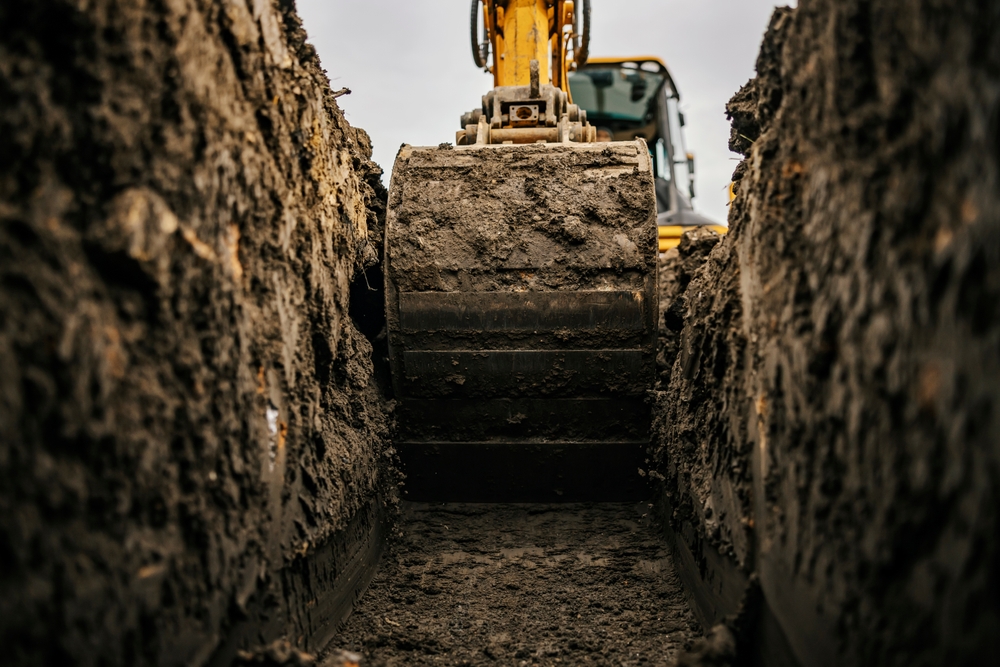
Equipment should be inspected before use, and operators should have the necessary training and certifications. Safety plans should address excavation hazards, equipment movement, trench safety, and emergency procedures. Maintaining a strong focus on safety helps protect workers and supports efficient project operations.
Establish Construction Access Routes
Heavy equipment, material deliveries, and construction vehicles need reliable access to the site. Establishing access routes before excavation begins helps improve efficiency throughout the project.
Well-planned access roads help reduce traffic congestion, minimize equipment delays, and protect surrounding areas from unnecessary damage. Proper access also supports the safe movement of workers and materials throughout the construction process.
Monitor Excavation Progress
Once excavation begins, contractors should continuously monitor progress to verify that work is being completed according to project specifications. Elevations, grading, trench dimensions, and drainage features should be checked regularly.
Ongoing inspections help identify issues before they become larger problems. Maintaining quality control throughout the excavation process helps keep the project on schedule and supports successful construction outcomes.
Partner with an Experienced Excavation Contractor
Successful site excavation requires experience, specialized equipment, and careful planning. From land clearing and demolition to grading, drainage improvements, and site preparation, every step contributes to the success of the project.
Cypress Line Services LLC provides professional commercial excavation in Lousiana, site development, land clearing, demolition, and site preparation services. Our experienced team helps property owners, developers, and contractors prepare construction sites safely and efficiently. Contact us today to discuss your upcoming project and learn how we can help build a strong foundation for success.