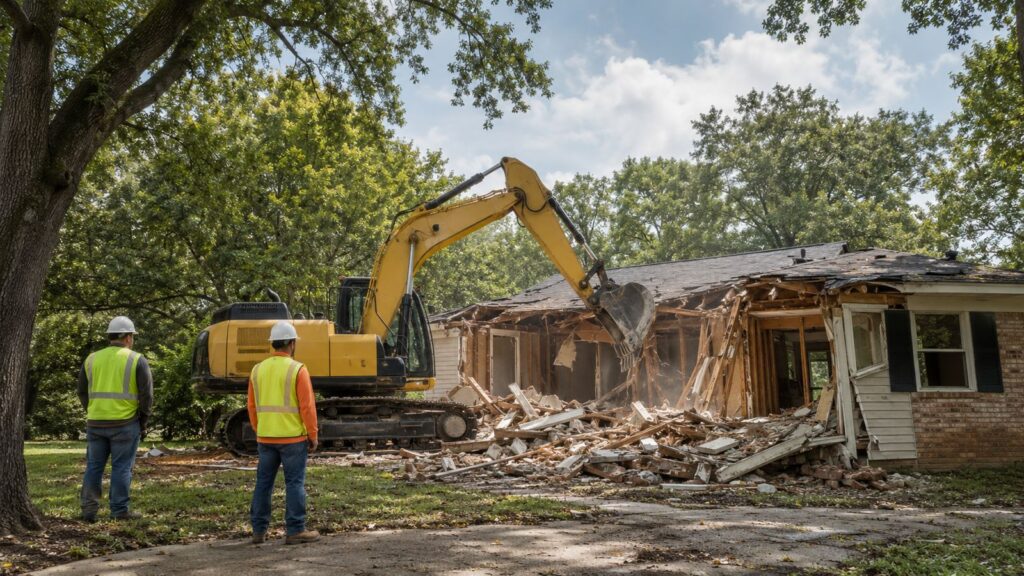
A new construction project often begins by removing what is already on the land. An old house, damaged commercial building, empty warehouse, concrete slab, or unused swimming pool may stand in the way of future development. Professional demolition in New Orleans clears these structures while preparing the property for safe construction. The process can include much more than tearing down a building. It may also involve debris removal, concrete removal, excavation, grading, drainage work, and site preparation.
Removing Old or Unsafe Structures
Many older buildings are not suitable for a new development plan. Some have serious damage from storms, fire, water, termites, or years of wear. Others have weak foundations, outdated layouts, or repair costs that are too high. Removing the structure may give the owner more freedom to use the property in a new way.
A professional demolition contractor studies the structure before work begins. The crew looks at its size, materials, condition, and distance from nearby buildings. These details help determine the safest removal method. A small home may need a different plan than a large warehouse or industrial building.
Making Room for a New Project
Once the old structure is gone, the land can be used for a new home, business, apartment building, parking area, or industrial facility. Demolition in New Orleans creates an open work area where builders can bring in equipment, mark the new layout, and begin preparing the ground.
Demolition can also be partial. A property owner may want to remove one damaged section while keeping the rest of the building. This may be useful for a renovation, addition, or change to the property’s layout. The demolition plan should clearly show which parts will be removed and which parts must remain protected.
Disconnecting Utilities Safely
Most buildings are connected to electricity, natural gas, water, sewer, phone, and internet lines. These services must be located and disconnected before demolition begins. Underground pipes and utility lines must also be marked so heavy equipment does not damage them.
Older properties may have utility connections that are hard to find or no longer match the current plans. A careful site review helps identify these lines before the crew starts digging or removing concrete. Safe utility planning protects workers, neighboring properties, and the future construction site.
Removing Hazardous Materials
Some older structures may contain asbestos, lead paint, mold, fuel, chemicals, or contaminated soil. These materials cannot be handled like normal construction debris. They may need to be tested, separated, and removed through a controlled process.
Environmental remediation may be needed before or during demolition. Removing unsafe materials creates a cleaner property for workers and future occupants. It can also prevent contaminated debris from spreading to nearby soil, drainage areas, or buildings.
Clearing Foundations, Concrete, and Debris
After a building comes down, parts of it may remain below the surface. This can include foundations, concrete slabs, old pipes, footings, tanks, and buried debris. Leaving these materials in place can interfere with excavation and make it harder to build a stable new foundation.
A full demolition project may include breaking up and removing old concrete. The crew sorts materials and hauls debris to the proper disposal or recycling locations. Once the site is cleared, workers can inspect the ground for hidden damage, soft soil, or materials that could affect the next stage of development.
Preparing the Soil for Construction
New construction needs firm and stable ground. After demolition, the site may have holes, uneven areas, or loose soil. The land may need excavation, filling, grading, and compaction before it can support a new structure.
Compaction presses the soil together to create a stronger building area. Weak or wet soil may need to be removed and replaced with better fill material. Proper site preparation helps support the new foundation and lowers the risk of sinking, cracking, or uneven settlement.
The final grade must also match the construction plans. This gives builders the right height and slope for the foundation, roads, parking areas, sidewalks, and utility systems.
Improving Drainage Around the Property
Heavy rain and standing water are common concerns in New Orleans. If the land is not graded correctly, water may collect where the new building will stand. It can weaken the soil, wash away fill material, and place pressure on a foundation.
Demolition gives property owners a chance to correct old drainage problems before rebuilding. The land can be shaped to guide water away from structures and toward safe drainage points. The project may also include swales, drains, ditches, curbs, gutters, or drainage improvements based on the needs of the site.
Giving Builders a Clean Starting Point
A clean site makes it easier for engineers, contractors, and property owners to see the full condition of the land. They can check the soil, confirm measurements, locate utilities, and plan access for construction equipment. This can reduce unexpected problems once building work begins.
Professional demolition in New Orleans connects the old property to its next use. When demolition, cleanup, grading, and drainage work are handled as part of one plan, the site can be left ready for the next construction phase.
Prepare Your New Orleans Property for Its Next Phase
Cypressline Services provides residential, commercial, and industrial demolition in New Orleans. Our team handles building removal, concrete removal, pool demolition, debris cleanup, environmental remediation, excavation, land clearing, site grading, and drainage improvements. Contact Cypressline Services today to request a free demolition estimate and prepare your property for new development.