Choosing the right paving material can affect how your property looks, how long the surface lasts, and how much care it will need. Concrete and asphalt are both common choices for driveways, parking lots, roads, and work areas. Yet each material works in a different way. Baton Rouge property owners also need to think about heavy rain, heat, traffic, soil, and drainage before making a choice.
What Is the Difference Between Concrete and Asphalt?
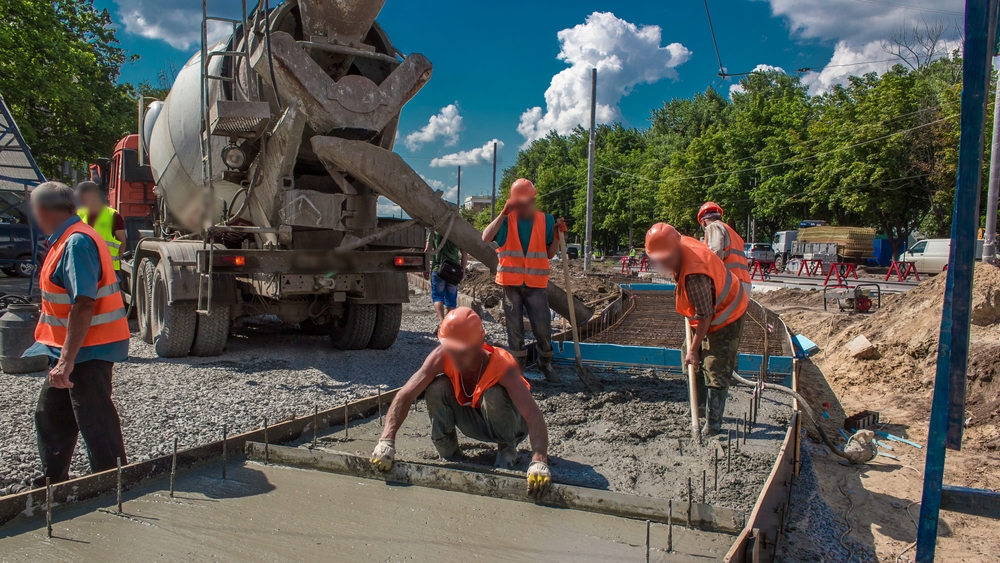
Concrete pavement is made with cement, water, sand, and stone. Once poured, it hardens into a firm surface that can support cars, trucks, and heavy equipment. It can be used for driveways, parking lots, sidewalks, curbs, gutters, and concrete slabs.
Asphalt pavement is made from stone, sand, and a dark oil-based binder. It is placed while hot and pressed into a smooth surface. Asphalt stays more flexible than concrete, which helps it move slightly when the ground shifts. It is often used for roads and large parking areas.
Both materials can provide a useful paved surface. The better choice depends on the size of the project, the expected traffic, the budget, and the condition of the land.
Which Material Lasts Longer?
Concrete often lasts longer than asphalt when it is installed on a stable, well-prepared base. A strong concrete surface can serve a property for many years while handling regular traffic. It is also a good choice for areas that must support heavy trucks, trailers, or machines.
Asphalt may need more care over time. Sunlight, water, and heavy traffic can cause the surface to fade, soften, or crack. Sealcoating and crack repairs may be needed to keep it in good condition. Concrete can also crack, but proper grading, reinforcement, joint placement, and drainage preparation can lower the risk of early damage.
How Does Baton Rouge Weather Affect Paving?
Baton Rouge has hot summers, high humidity, and frequent rain. Water can collect below a paved area when the land does not drain well. This can weaken the base and lead to cracks, low areas, or sinking pavement.
Dark asphalt absorbs a lot of heat. During very hot weather, the surface may become soft and very warm. Concrete has a lighter color and does not absorb as much heat, which can make it a practical choice for busy outdoor areas.
Good drainage matters with either material. The paving area needs the right slope so rainwater can move away from buildings and busy spaces. Curbs, gutters, grading, and drainage improvements may also be needed to control water around the pavement.
Which Option Costs Less?
Asphalt often has a lower starting price, especially for a large surface. It can also be installed and opened to traffic faster than concrete in many cases. This may make it useful for a project with a tight budget or short schedule.
Concrete may cost more at the start, but its longer life and lower maintenance needs can provide good value over time. Property owners should compare the full cost of the project, not only the first estimate. Repairs, sealing, traffic needs, drainage work, and future replacement can all change the final cost.
When Is Concrete the Better Choice?
Concrete paving is often a strong choice for commercial entrances, loading areas, equipment pads, sidewalks, driveways, and places with heavy traffic. It also gives a property a clean and finished look. Concrete can be poured in different shapes and finished with textures that add grip.
Businesses may choose concrete for areas where vehicles stop, turn, park, or carry heavy loads. Asphalt can sink or form low spots under repeated weight, mainly during hot weather. Properly installed concrete offers a firm surface for these demanding spaces.
For property owners seeking concrete paving in Baton Rouge, the condition of the site must be checked before work begins. Old pavement may need to be removed, and the ground may need excavation, grading, or added base material before the new concrete is poured.
When Can Asphalt Be a Good Choice?
Asphalt can work well for long roads, large parking lots, and projects that need a lower initial cost. Its dark surface also makes painted parking lines easy to see. Repairs can often be completed quickly by removing and replacing damaged areas.
However, asphalt needs a regular maintenance plan. Small cracks should be repaired before water reaches the base. Without this care, the damage can spread and shorten the life of the pavement.
Choose the Right Surface for Your Property
There is no single material that fits every job. Asphalt may be helpful when speed and a lower starting price are the main goals. Concrete may be better when strength, long life, and support for heavy traffic matter most. The final choice should match the property, soil, drainage, traffic, and budget.
Cypressline Services provides concrete paving in Baton Rouge for residential, commercial, and industrial projects. Our team handles old concrete removal, grading, drainage preparation, concrete installation, repairs, driveways, parking areas, sidewalks, slabs, curbs, and gutters. Contact Cypressline Services today to request a free estimate and start planning a durable paved surface for your property.